
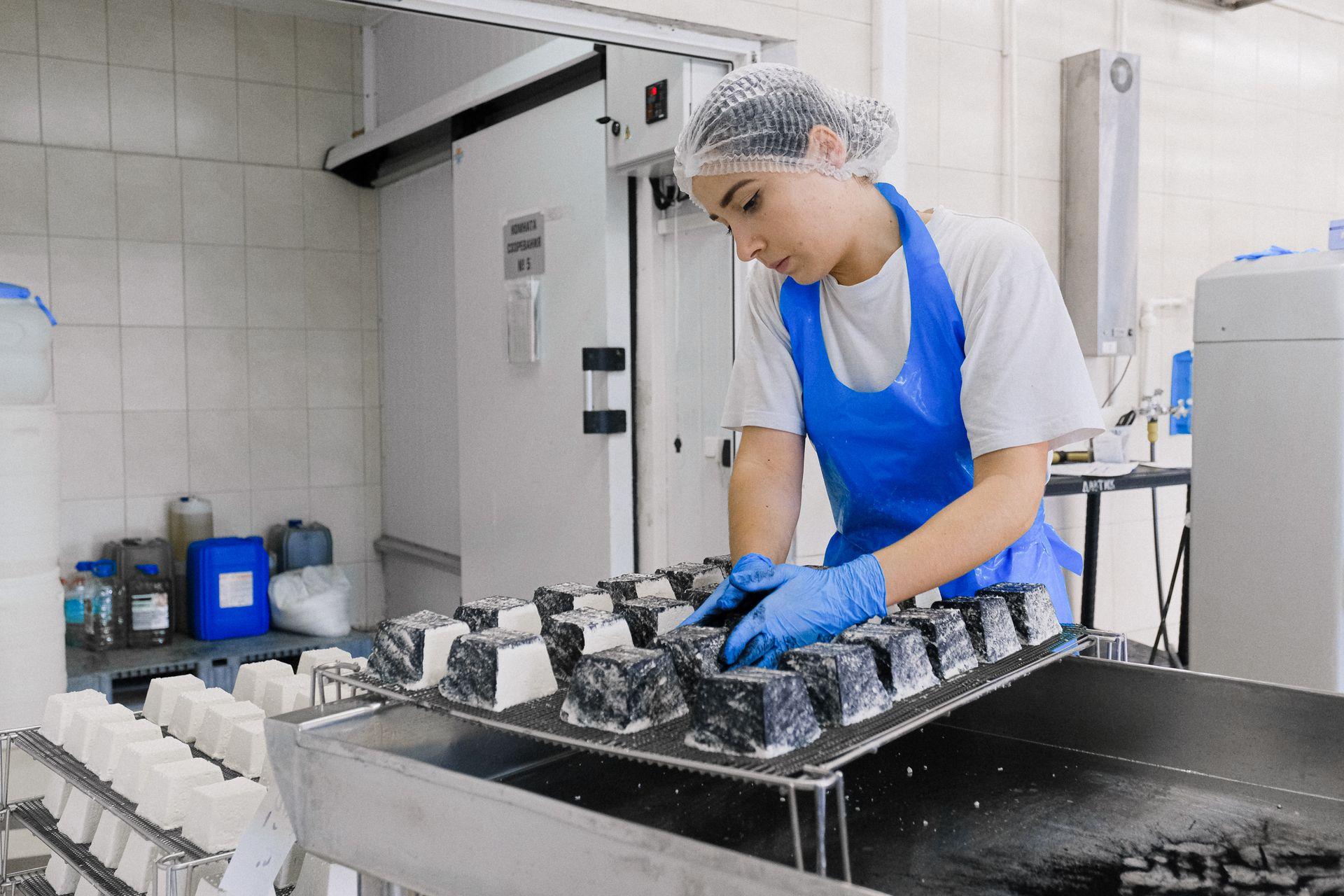
Workwear for the food industry: hygiene, HACCP and comfort
In processing plants, packing workshops and central kitchens, workwear is the first barrier against contamination. For food manufacturers, choosing the right outfit means protecting the products, the consumers and the company's compliance during audits.
Why clothing is a food safety issue
Fibres, dust, particles or hair can contaminate a food product. Hygiene control approaches such as HACCP therefore include staff clothing among the points to manage. Suitable clothing limits these risks and makes traceability easier.
What makes a good food-industry outfit
- Light colours, so soiling is spotted immediately
- Fabrics that withstand frequent high-temperature washing
- Simple cuts, with no unnecessary outside pockets
- Suitable fastenings, designed to limit the risk of parts coming loose and falling
- Comfort and breathability, especially in hot or cold areas
Coats, jackets, trousers, hairnets: putting together a full outfit
A complete food-industry outfit generally comprises a coat or jacket, trousers, a cap or hairnet, and sometimes overshoes or aprons depending on the area. Using different colours for each area (production, packing, cleaning, visitors) helps enforce circulation routes and avoid cross-over.
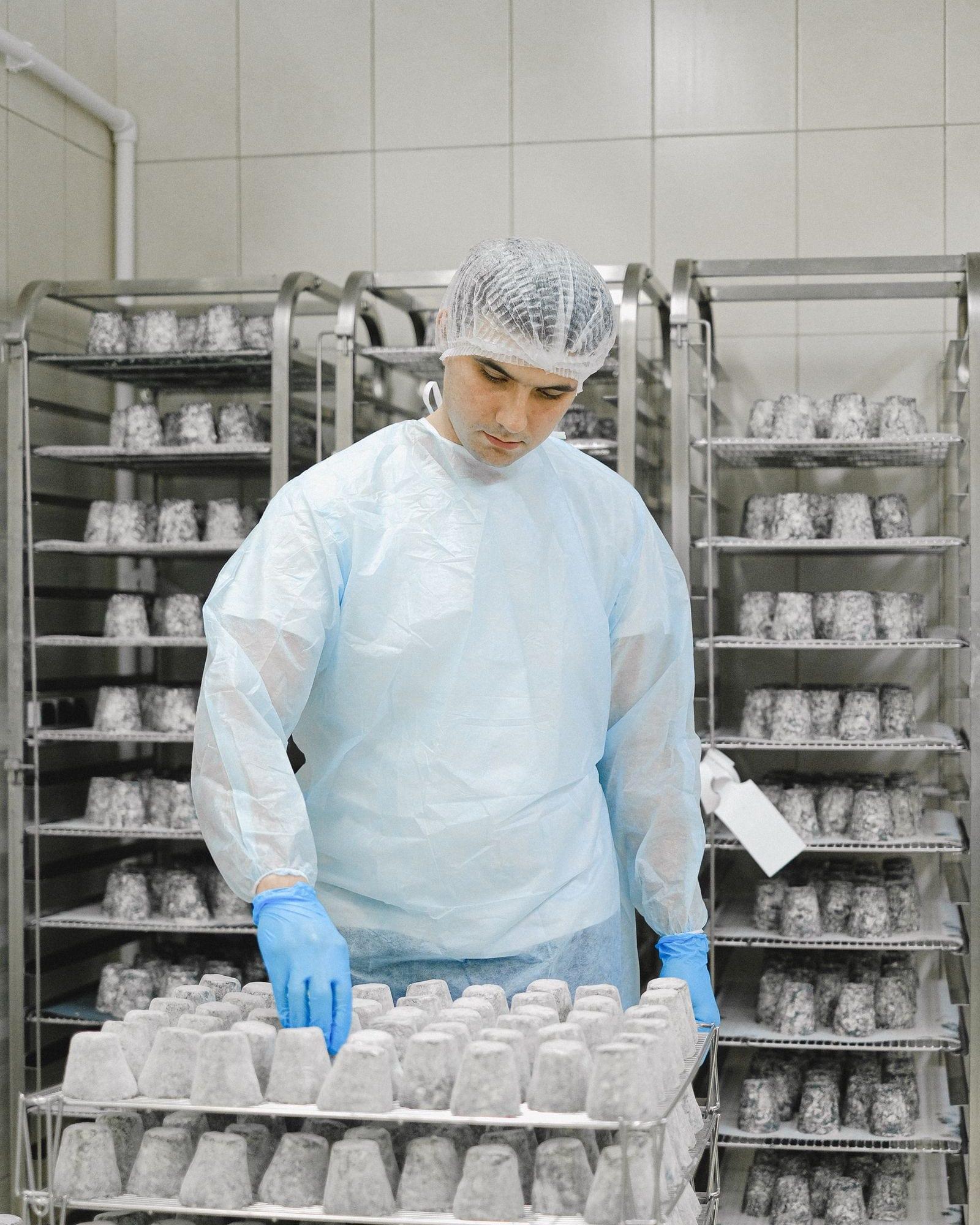
Care and durability: a cost to plan for
These garments are washed very often. Quality fabric, reinforced seams and colours that stay stable over time avoid replacing them too frequently. Over several months, a well-designed garment often works out cheaper than a budget one that wears out quickly.
Customisation and team identification
Marking the company name, department or role strengthens internal organisation and safety. Embroidery remains the most durable option against repeated washing.
FAQ: food industry workwear
- Which colours should a food-industry outfit be?
- Light colours such as white are the most common, because they reveal stains quickly. Colours differentiated by area are a good complement for organising circulation routes.
- How often should outfits be replaced?
- It depends on how intensively they are used and how they are cared for. Checking the condition of garments regularly (fading, wear, seams) tells you when to replace them.
- Can the outfits be made to order?
- Yes. At PROVETEX, workwear is made in Casablanca, with a minimum quantity of 100 items per model and per colour.
Going further
Equipping a food plant or workshop? Request a free quote.
Response within 48 hours, no obligation
Related articles
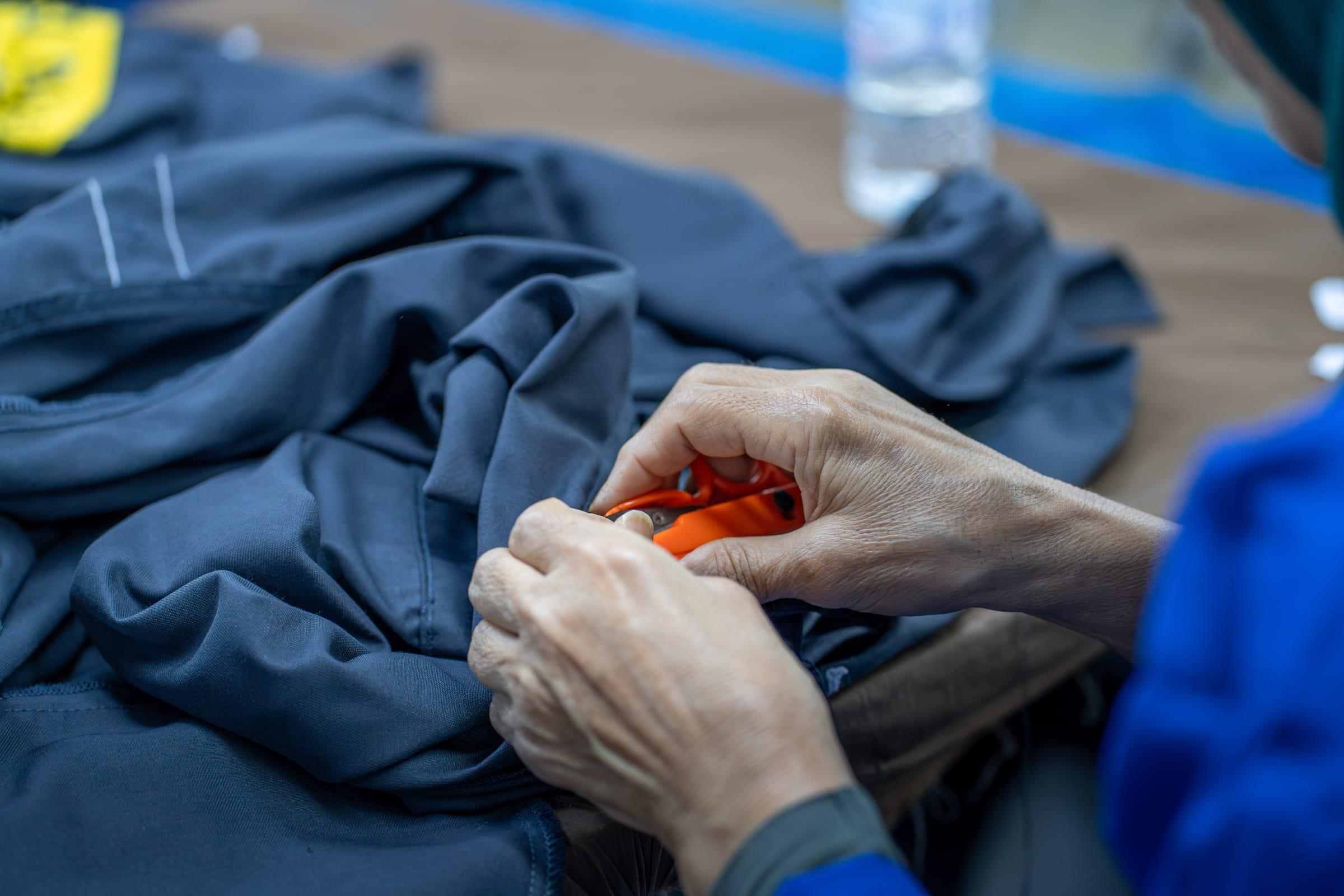 Care & durability
Why your workwear wears out too fast — and how to fix it
Temperature, softener, drying, sorting: the care mistakes that shorten the life of workwear, and the simple habits that double it.
Read the article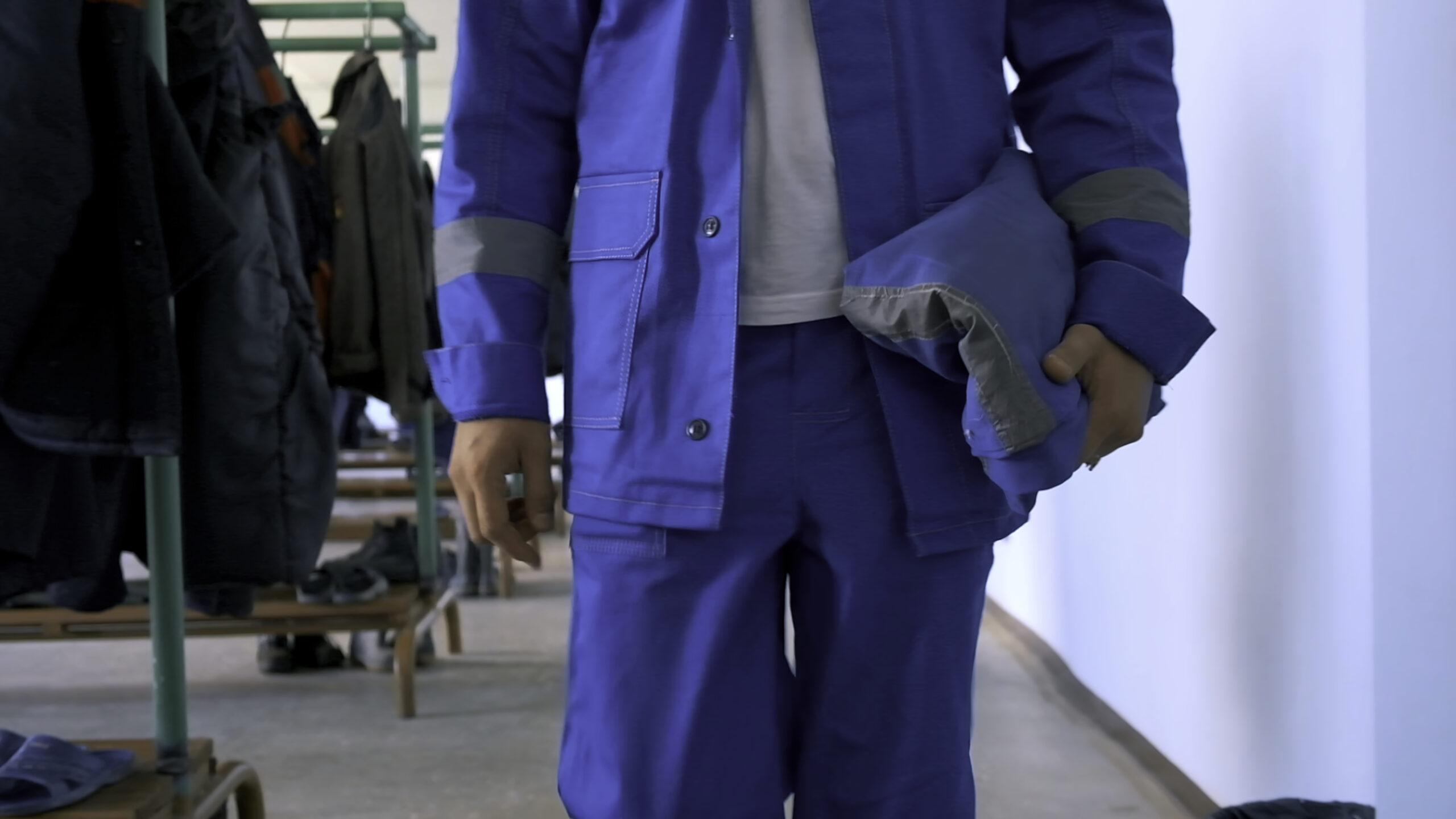 Sector guide
How to choose workwear for your industry
Safety, comfort, brand image: every industry has its own constraints. Our guide to choosing professional workwear that truly fits your business.
Read the article Customisation
Embroidery, screen printing, transfer: which marking for your logo?
A comparison of workwear marking techniques: durability, finish, cost, PPE constraints — and how to choose without regret.
Read the article